Korean Black Bean Noodles Jjajang
Highlighted under: Easy Global Meals
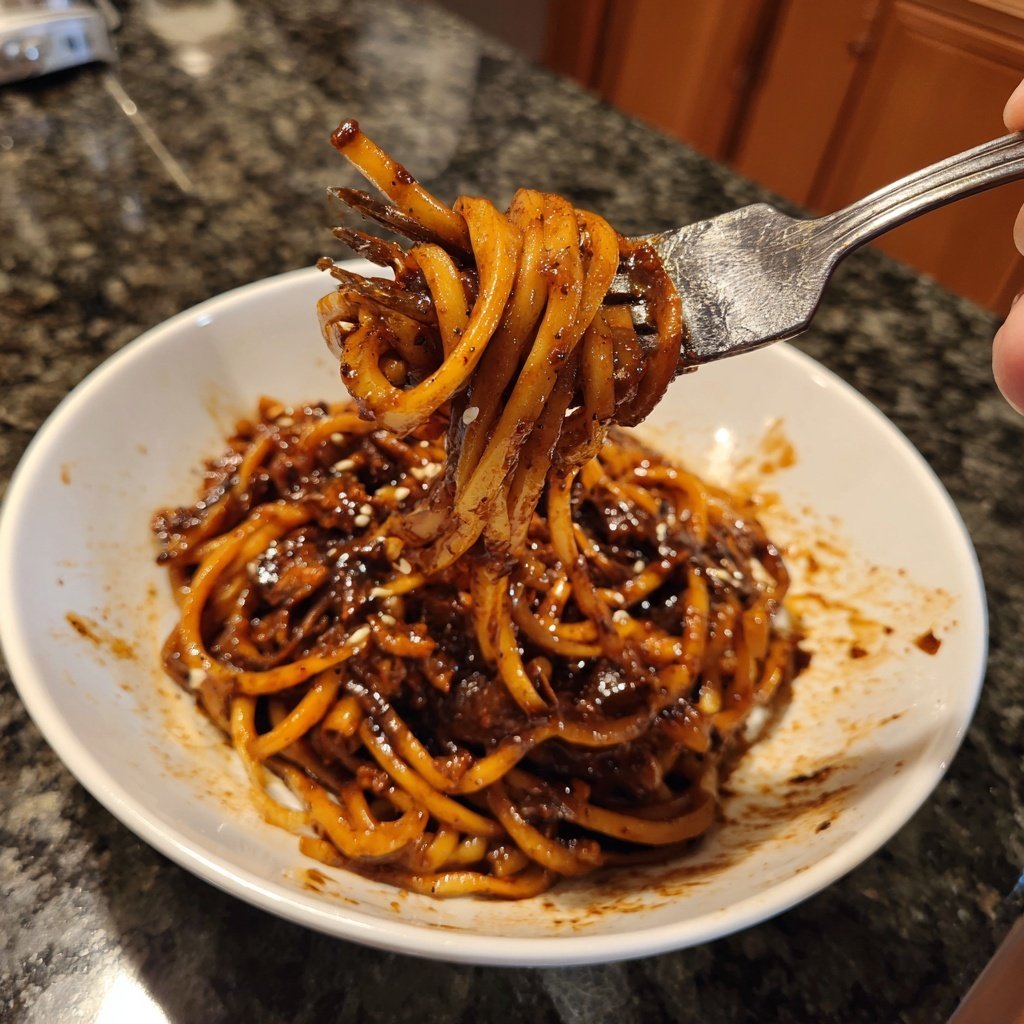
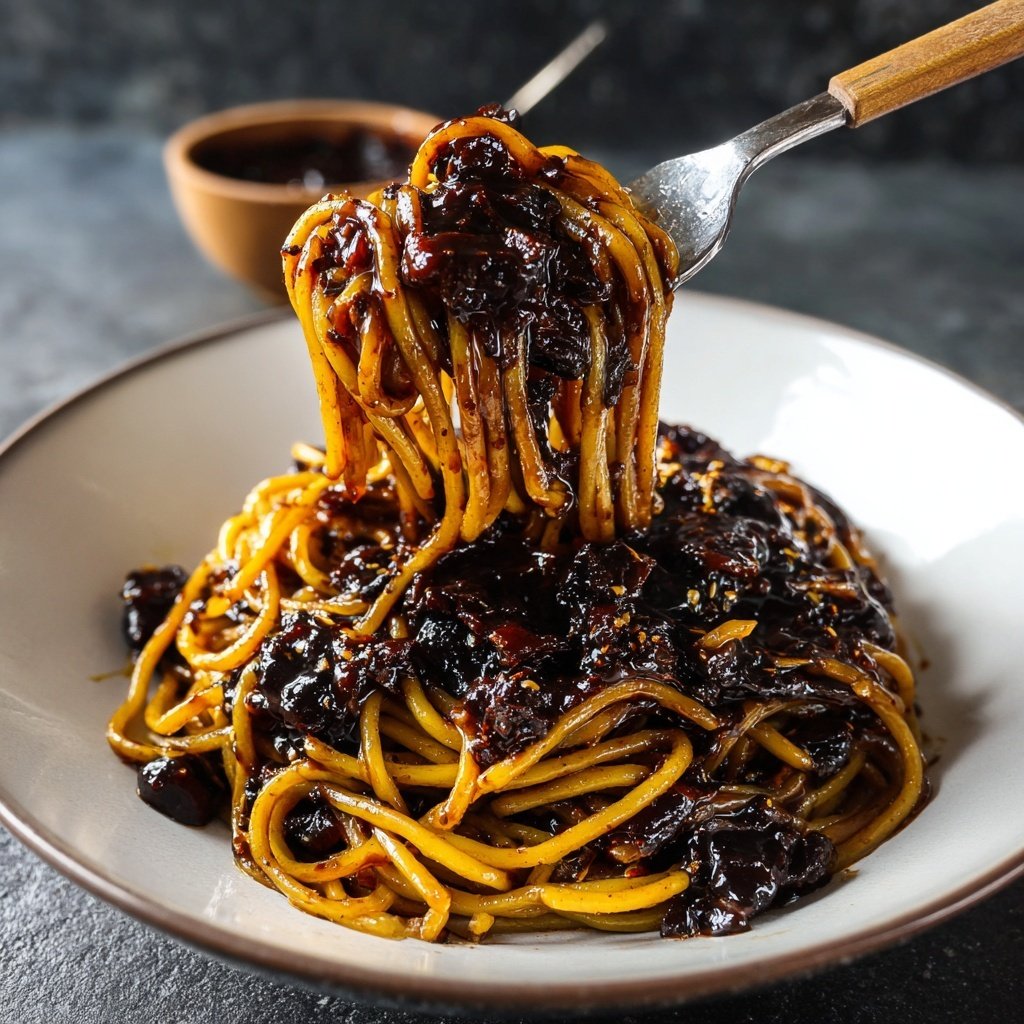
Savor the rich and savory flavors of Korean cuisine with this delightful Jjajang, a black bean noodle dish that is both satisfying and easy to prepare.
Jjajangmyeon is a beloved Korean noodle dish that combines the rich flavors of black bean paste with fresh vegetables and tender noodles. Perfect for a quick weeknight dinner or a special occasion, this dish is sure to impress your family and friends.
Why You Will Love This Recipe
- Rich and savory black bean sauce that coats the noodles perfectly
- Quick and easy to make for a satisfying meal
- Versatile dish that can be customized with your favorite vegetables
Understanding Jjajang
Jjajang is a beloved dish in Korean cuisine, known for its distinctive black bean sauce. The name 'Jjajang' translates to 'fried sauce,' which reflects the cooking technique used to create this savory delight. Traditionally served over noodles, this dish offers a beautiful balance of flavors and textures, making it an ideal meal for any occasion.
The main ingredient, black bean paste (chunjang), is made from fermented soybeans, giving it a unique umami flavor that enhances the overall taste of the dish. This sauce is often paired with various vegetables, adding freshness and crunch to each bite. Whether enjoyed at home or in a restaurant, Jjajang is a comforting dish that resonates with many.
Jjajang is often mistaken for other similar noodle dishes, but its rich sauce and hearty vegetables set it apart. It's a staple in Korean households and is frequently enjoyed during special occasions and celebrations. This dish not only satisfies hunger but also brings a sense of nostalgia for those familiar with Korean culture.
Ingredient Spotlight
The star of this Jjajang recipe is undoubtedly the black bean paste. When selecting a black bean paste, look for high-quality options that are less salty and have a deep, rich flavor. This ingredient is the backbone of the dish, providing that signature black color and robust taste that defines Jjajang.
In addition to the black bean paste, the fresh vegetables used in this recipe play a crucial role. Onions add sweetness, while zucchini, potatoes, and carrots contribute texture and flavor. These vegetables not only enhance the dish but also provide essential nutrients, making Jjajang a wholesome meal option.
Noodles are another key component of Jjajang. Fresh wheat noodles or jajangmyeon noodles are preferred for their chewy texture, which pairs beautifully with the thick sauce. The noodles serve as a perfect base, soaking up the flavors of the sauce and creating a satisfying dining experience.
Serving Suggestions
Ingredients
For the Jjajang Sauce
- 1 cup black bean paste (chunjang)
- 2 tablespoons vegetable oil
- 1 onion, diced
- 1 zucchini, diced
- 1 potato, diced
- 1 carrot, diced
- 2 cloves garlic, minced
- 2 cups water
- 1 tablespoon sugar
- 1 tablespoon soy sauce
For the Noodles
- 400g fresh wheat noodles or jajangmyeon noodles
- Green onions, for garnish
Instructions
Prepare the Noodles
Cook the noodles according to the package instructions. Drain and set aside.
Cook the Vegetables
In a large pan, heat the vegetable oil over medium heat. Add the diced onion, zucchini, potato, and carrot. Sauté until the vegetables are tender, about 5-7 minutes.
Make the Jjajang Sauce
Add the minced garlic and black bean paste to the pan. Stir well to combine. Add water, sugar, and soy sauce. Simmer for about 10 minutes until the sauce thickens.
Combine and Serve
Toss the cooked noodles in the Jjajang sauce until evenly coated. Serve hot, garnished with chopped green onions.
Pro Tips
- For added protein, consider adding diced pork or chicken to the sauce. Adjust the amount of black bean paste based on your taste preference.
Frequently Asked Questions
Can I use a different type of noodle for Jjajang? Absolutely! While traditional jajangmyeon noodles are ideal, you can also use other types of noodles, such as udon or even spaghetti, in a pinch. The key is to choose a noodle that can hold the sauce well.
Is Jjajang spicy? Jjajang is generally not a spicy dish. However, if you enjoy some heat, feel free to add chili oil or sliced fresh chili peppers to your plate. This way, you can customize the heat level according to your taste preferences.
Nutritional Information
Jjajang is a balanced meal that provides a good mix of carbohydrates, proteins, and essential nutrients. The vegetables included in the dish add vitamins and minerals, while the black bean paste offers a source of protein and fiber. This makes Jjajang not only delicious but also nutritious.
For those watching their calorie intake, consider adjusting the amount of oil used in the recipe or opting for a lighter noodle option. You can also increase the vegetable content for a more nutrient-dense meal without significantly adding to the calorie count.
Questions About Recipes
→ Can I use other types of noodles?
Yes, you can use any type of noodles you prefer, but traditional jajangmyeon noodles are recommended.
→ Is Jjajang vegetarian or vegan?
Yes, it can be made vegetarian or vegan by omitting any meat and using vegetable broth.
→ How can I store leftovers?
Store leftovers in an airtight container in the refrigerator for up to 3 days. Reheat before serving.
→ Can I freeze Jjajang?
While it’s best fresh, you can freeze the sauce separately from the noodles for up to 2 months.
Korean Black Bean Noodles Jjajang
Created by: The Seasonedscoop Team
Recipe Type: Easy Global Meals
Skill Level: Intermediate
Final Quantity: 4 servings
What You'll Need
For the Jjajang Sauce
- 1 cup black bean paste (chunjang)
- 2 tablespoons vegetable oil
- 1 onion, diced
- 1 zucchini, diced
- 1 potato, diced
- 1 carrot, diced
- 2 cloves garlic, minced
- 2 cups water
- 1 tablespoon sugar
- 1 tablespoon soy sauce
For the Noodles
- 400g fresh wheat noodles or jajangmyeon noodles
- Green onions, for garnish
How-To Steps
Cook the noodles according to the package instructions. Drain and set aside.
In a large pan, heat the vegetable oil over medium heat. Add the diced onion, zucchini, potato, and carrot. Sauté until the vegetables are tender, about 5-7 minutes.
Add the minced garlic and black bean paste to the pan. Stir well to combine. Add water, sugar, and soy sauce. Simmer for about 10 minutes until the sauce thickens.
Toss the cooked noodles in the Jjajang sauce until evenly coated. Serve hot, garnished with chopped green onions.
Extra Tips
- For added protein, consider adding diced pork or chicken to the sauce. Adjust the amount of black bean paste based on your taste preference.
Nutritional Breakdown (Per Serving)
- Calories: 450 kcal
- Total Fat: 12g
- Saturated Fat: 2g
- Cholesterol: 0mg
- Sodium: 600mg
- Total Carbohydrates: 75g
- Dietary Fiber: 6g
- Sugars: 5g
- Protein: 12g